





Eye For Film >> Movies >> And She Didn't Die (2025) Film Review


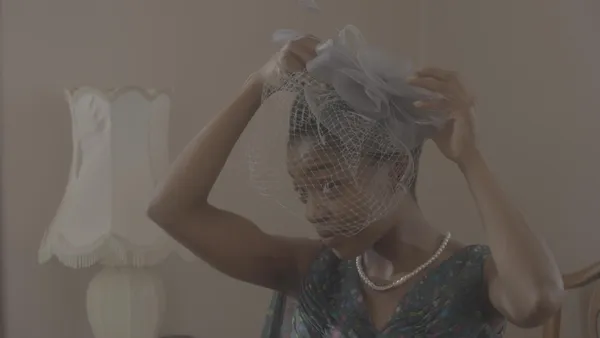

And She Didn’t Die – a play on the title of one of Lauretta Ngcobo’s most famous books And They Didn’t Die, about women’s struggle under apartheid – primarily tackles the life and work of the South African author and activist from the personal perspective of her documentarian daughter Kethiwe and her family.
It’s a choice that allows all the unseen personal costs that underpinned Lauretta’s work come to the fore at the same time as celebrating what she achieved. The idea of where you come from – a concept in Zulu articulated by someone asking where “your navel” is – also proves central to Kethiwe’s documentary, which additionally holds up the ideas of ‘exile’ and being part of the South African diaspora to the light.
Kethiwe – referred to as Kethi (so it rhymes with Katy) by her family – originally conceived of this project back in 2004 and recordings of conversations with her mum at this time are threaded through the film. Lauretta was from a storytelling tradition, which we learn was generally passed from mothers to daughters, so it’s fitting that much of her life history is told by her. Kethiwe employs re-enactment to illustrate what is being discussed, featuring Busisiwe Mtshali and Lemogang Tsipa as the young Lauretta and her trade unionist husband Abednego Bhekabantu (known as “AB”) Ngcobo. Occasionally these feel a little surplus to requirement but for the most part they ground the film within its historical context.
Extracts from Lauretta’s books are also included, along with short but pertinent observations from academic Barbara Boswell about the content and impact of the writer’s work. Although the interviews with her mother come from different periods, Kethiwe largely takes a chronological approach to Lauretta’s life itself. She begins in rural South Africa, and the apartheid over-shadowed childhood of her mother, illustrated not just by the re-enactment scenes but also with archival footage – used throughout – which reflects the racist attitudes of the time, not just in South Africa, but also include, where Loretta would later be exiled.
The film then follows her growing political involvement, as well as her relationship with her husband to be, which would see her become a courier for the Pan Africanist Congress while he, like many of those who were active against apartheid, would face repeated imprisonment. As Kethiwe weaves together her mother’s story, she also considers her family’s part within it and the film is considerably richer for the documentarian’s decision to give her own doubts and thoughts some space. When she asks a family member about the love between her mother and father, the response leads her to suggest, “That doesn’t fit my story”, and there are also indications of how Kethiwe has wrestled with this wealth of material down the years.
The long gestation period has served it well, however, as she charts not only the fight for the rights of the Black community, which her mother championed, but her later discovery of the feminism movement. At one point, Lauretta describes exile as “the loss of self”, but her daughter shows from that negative additional possibilities are born, as we see how her mother nurtured her own new beginnings and that of her children and grandson Mangaliso so that her story flows on through them.
Reviewed on: 16 Jul 2025


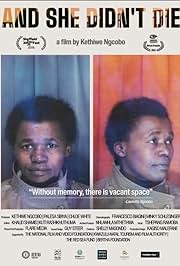
Director: Kethiwe Ngcobo
Year: 2025
Runtime: 102 minutes
Country: South Africa, United Kingdom, Saudi Arabia
Search database:
